
What are you looking for?
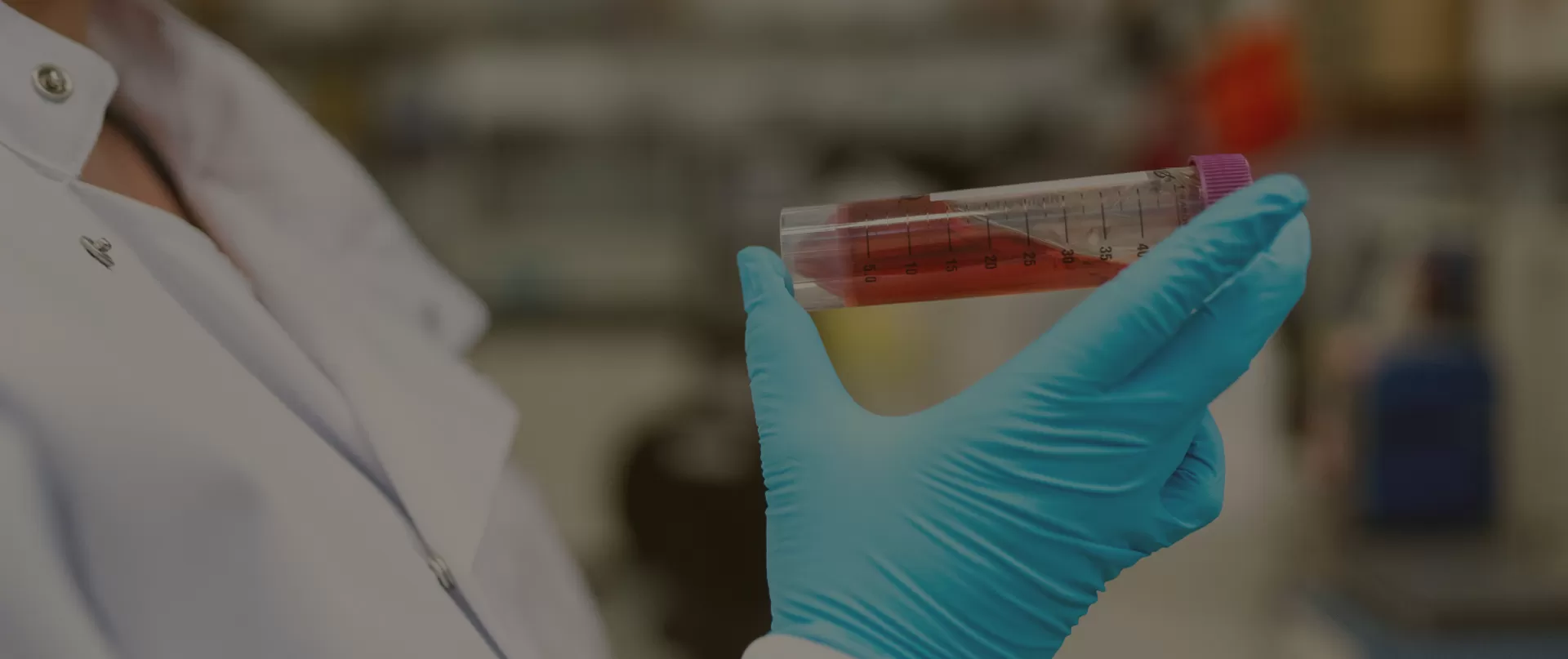
Explore the potential of stem cell iv infusion therapy as a promising regenerative medicine treatment with insights into clinical trials, various stem cell sources, and disease and injury applications. Explore the future of cell therapy.
In recent years, IV stem cell therapies have emerged as a promising approach to the clinical treatment of a variety of diseases and injuries. These innovative cell-based therapies utilize the regenerative properties of stem cells. These undifferentiated cells have the potential to differentiate into specialized cells such as blood cells, nerve cells, etc. Stem cells can be derived from various tissues of the body, including adipose tissue, adult stem cells, and human mesenchymal stem cells derived from umbilical cord tissue or blood.
Their regenerative capacity allows for tissue regeneration, reduction of inflammation, and pain relief, benefiting patients with rheumatoid arthritis, spinal cord injuries, and neurological disorders. In particular, stem cell iv infusion therapy has gained attention as a minimally invasive treatment option that utilizes the body's natural ability to heal itself.
During Stem Cell IV therapy, prepared stem cells are injected directly into the patient's bloodstream, where they can move to damaged or lost cells and promote tissue repair. This customized IV stem cell treatment plan can be tailored to the individual patient's needs, taking into account factors such as the patient's health assessment and specific stem cell type. As clinical trials continue to explore the efficacy and safety of stem cell IV therapies for a variety of conditions, including chronic pain (where localized stem cell knee injections are often integrated for cartilage repair), traumatic brain injury, and blood cancers, the development of new stem cell therapies and treatment plans holds promise for improving patient outcomes and overall health. While IV therapy revitalizes your body from within, many patients seeking comprehensive rejuvenation combine it with stem cell facial injections to specifically target wrinkles and skin elasticity, achieving a complete restoration of both systemic vitality and youthful appearance.
Stem cell IV therapy, or intravenous or stem cell infusion therapy, is a cutting-edge method of injecting stem cells directly into the bloodstream to treat a variety of diseases. Modern medicine increasingly utilizes a stem cell IV injection to deliver these powerful cells efficiently throughout the vascular system. Stem cells have unique properties, including self-renewal and differentiation into distinct cell types. These attributes make them a valuable resource for regenerative medicine. They have the potential to repair or replace damaged tissues and organs, offering hope to patients suffering from chronic or degenerative diseases.
Stem cell IV treatment, also known as intravenous stem cell therapy or stem cell infusion, is a medical treatment in which stem cells are injected directly into the bloodstream to target damaged or diseased tissues and organs. These individual cells can self-renew and differentiate into specialized cell types, making them a promising option for regenerative medicine. In this process, stem cells are injected into a patient's bloodstream via intravenous (IV) drip or injection, allowing them to travel throughout the body to promote tissue repair, regeneration and reduce inflammation.
During stem cell IV therapy, stem cells are introduced into the patient's bloodstream via intravenous (IV) drip or infusion. Once in the circulatory system, the stem cells can move throughout the body, searching for damaged or diseased tissues and organs. Once they reach their target, they can differentiate into specific cell types that promote tissue repair and regeneration and reduce inflammation. This tissue regeneration process can utilize the body's inherent ability to heal to help the body recover from injury or disease.

Stem cell IV therapy has many potential benefits, including regenerating damaged tissues and organs, reducing pain, and improving the quality of life for patients suffering from a variety of diseases. Some of the conditions that may benefit from stem cell IV therapy include:
Neurodegenerative diseases, such as Parkinson's and Alzheimer's
Autoimmune diseases, such as multiple sclerosis and lupus
Cardiovascular diseases, including heart failure and stroke
Stem cell IV therapy is highly effective for systemic inflammation, but for targeted knee cartilage regeneration & pain relief, direct local injections are often recommended to achieve faster, localized tissue repair
Wound healing and burns
Additionally, stem cell IV therapy is a minimally invasive procedure with a relatively short recovery time and lower risk of complications than other forms of treatment.
| Phase | Description | Time Frame |
| Preparation | Concentration and activation of high-purity MSCs in a GMP lab. | 2-3 Hours |
| IV Setup | A standard intravenous line is established by a medical professional. | 15 Mins |
| Infusion | Controlled drip of the stem cell solution into the bloodstream. | 30-60 Mins |
| Observation | Short rest in a private VIP room to monitor for immediate reactions. | 30 Mins |
High Proliferation: UC-MSCs have a higher expansion capacity than bone marrow cells.
Low Immunogenicity: These cells are "immune-privileged," meaning they rarely cause immune rejection—perfect for systemic IV infusion.
Systemic Healing: Once infused, these cells circulate and home in on areas of systemic inflammation, such as the brain, liver, or joints.
Despite the potential stem cell IV benefits, there are some risks and side effects associated with stem cell IV therapy. These effects are only likely to occur if the cell product lacks regulatory and quality assurance testing.
These may include:
Immune rejection from blood-related stem cell sources
Infection from minimally tested and screened donor cells